
Beschreibung
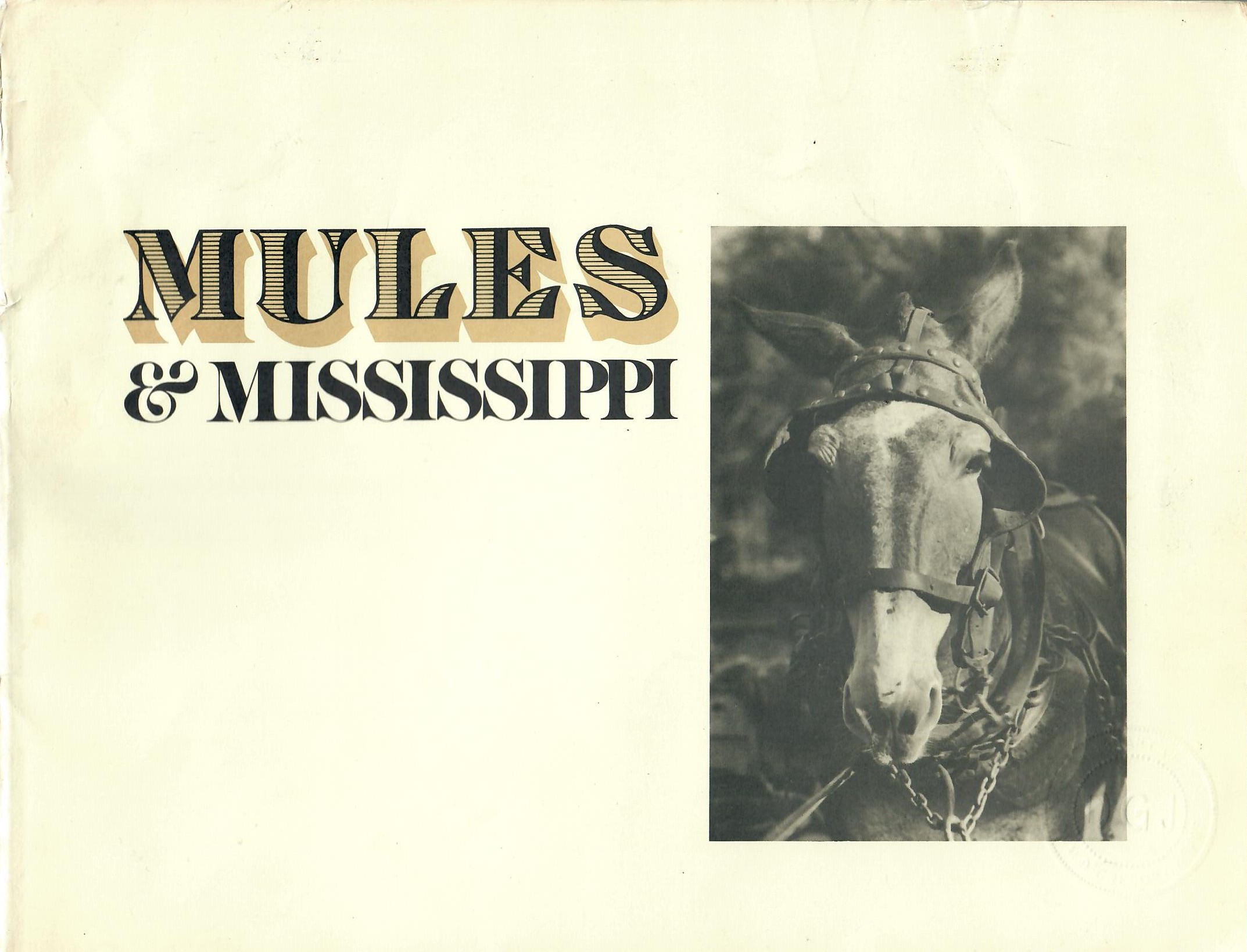
Black, Patty. C. (1981). Mules & Mississippi. Mississippi. Department Archives and History; First Edition (1. Januar 1981). 64 Seiten. ISBN 978-0938896302
The Mississippi State Historical Museum attempts to chronicle forces that have shaped Mississippi and to capture images central to our sense of place. The mule stars in both areas. From one-mule farms in the hill country to Delta plantations with hundreds of teams, the mule for over a century was the prime energy factor in Mississippi agriculture. Until tractors became prevalent in the 1930s, the mule moved the plows, harrows, cultivators, shovels, planters, stalk-choppers, and poison machines that made Mississippi a major cotton producer. The mule’s contributions did not stop with cotton production, however. The mule cleared land, snaked timber, drained swamps, built levees, graded highways, worked the docks, harvested corn, made sorghum molasses, hauled produce, baled hay, and tilled gardens. When his work was finished, he provided recreation for young and old: hayrides, mule races, bareback riding, and his specialty, coon hunting. His presence was so pervasive in Mississippi life that he became a favorite subject with photographers, writers, artists, and blues singers. Today the mule is vanishing from Mississippi life. This exhibit, designed by Cavett Taff, is a tribute to the mule and a recognition of the impact the mule made on Mississippi’s culture, economy, and collective memory.
We would like to thank Dr. William Ferris and the Center for Southern Folklore for making available research material; Betty Carter and the American Heritage magazine for permission to reprint „Mules in the Delta“; the Mississippi Agriculture and Forestry Museum for the loan of implements and other artifacts.